
Introducing New York State Resources for Refugees and Immigrants
- Edward Lee
- Jul 25, 2024
- 3 min read
At Together Across Borders, we understand the challenges refugee and immigrant families face when settling into a new country. New York State stands out as a place that offers a wide range of programs and services to help newcomers integrate, thrive, and feel welcomed in their new communities. Building on our previous focus on New Jersey, this blog post highlights key resources and organizations in New York that play a vital role in supporting refugees and immigrants.
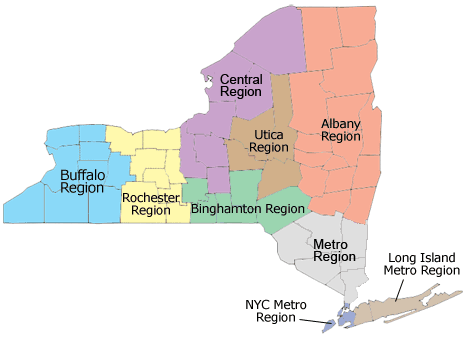
NY State Assistance Programs Providers | Refugee Services | OTDA
New York State offers a variety of programs designed to support refugees, immigrants, and other eligible populations, helping them integrate into their communities and achieve self-sufficiency. These programs provide services ranging from education and healthcare to legal assistance and case management.
The Making A Connection Program (MAC): Aims to foster civic and social engagement among recently arrived refugees aged 15 to 24 by pairing them with adult mentors to support their educational and career development.
New York State Assistance for Migrants Program (AMP): Provides case management and direct assistance to meet basic needs, such as food, clothing, and shelter, for newly arrived noncitizens ineligible for public assistance.
New York State At-Risk Youth (NYSARY): Offers comprehensive support for at-risk youth, particularly unaccompanied minors in Nassau and Suffolk counties, to combat gang violence and promote positive development.
The New York State Enhanced Services to Refugees Program (NYSESRP): Provides case management, employment services, and other support to refugees, special immigrant visa holders, Afghan parolees, and asylees to help them integrate and achieve self-sufficiency.
Refugee and Immigrant Student Welcome Program (RISWP): Supports refugee and immigrant students by funding activities such as school supplies, trauma-informed training for staff, and family engagement initiatives.
Refugee Cash Assistance and Refugee Medical Assistance (RCA/RMA): Offers temporary financial and medical assistance to refugees and eligible populations who are not covered by other federal programs within their first year in the U.S.
Refugee Health Promotion (RHP): Funds Health Access Coordinators at resettlement agencies to provide health education and improve access to health services and insurance.
Refugee Health Screening (RHS): Provides initial medical screenings and immunizations for newly arriving refugees to address health issues and facilitate successful resettlement.
Refugee School Impact Program (RSIP): Assists refugee children with their educational transition by supporting schools, empowering parents, and enhancing school resources.
Refugee Social Services Program (RSSP): Offers employment-related services to help refugees overcome barriers such as language and cultural adjustment to achieve economic self-sufficiency.
Response to Human Trafficking Program (RHTP): Supports service providers in assisting confirmed trafficking victims with health care, job training, and other basic needs.
Services to Older Refugees Program (SORP): Provides social services to older refugees to help them access mainstream services and live independently.
Unaccompanied Refugee Minors Program (URM): A specialized foster care program for unaccompanied refugee children, providing them with foster care and support until they age out at 21.
Ukraine Supplemental Appropriation to Resettlement Agencies (USARA): Offers support services such as employment assistance and language training for individuals arriving from Ukraine.
United States Repatriation Program (USRP): Assists U.S. citizens returning from abroad who are in need by providing temporary assistance such as cash, medical care, and shelter to help them resettle.
These programs collectively reflect New York State's commitment to supporting refugees and immigrants, offering them the resources they need to build new lives and contribute to their communities. For those seeking assistance, these programs provide essential support and opportunities for integration and success.


Comments